Things to do on Waiheke Island
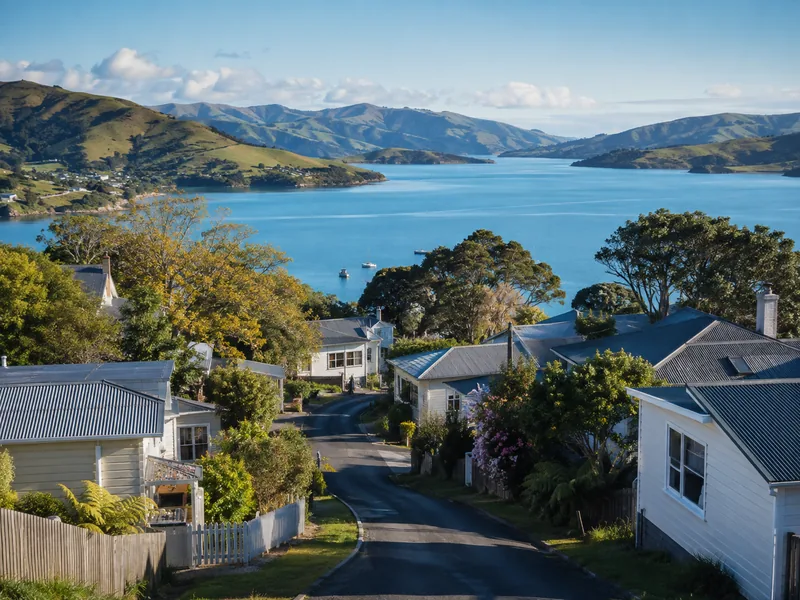
Wine, without a leaderboard
The vineyards are the reason most people get on the boat, and I am going to be unhelpful about them in two specific ways. I am not going to tell you how many there are, because published sources disagree and the official tourism site does not give a total. And I am not going to name a best one, because I have no basis for a ranking and an opinion in the shape of a fact is the thing this site is trying not to be.
What I can describe is the shape of a wine day. Cellar doors are spread across the island and the good ones are not clustered next to the wharf, so the transport question and the wine question are the same question. Guided tours solve it by driving: four or more vineyards with a tasting at each on one, two boutique vineyards in the Onetangi Valley plus a beachfront lunch on another. Elaine, who did it on the Explorer bus pass instead, wrote: “Tasted wine at the Batch Winery. Olive oil and honey at Allpress. Both excellent.” Nicola, on a guided day: “We visited 4 vineyards on the island, and tasted 15 wines.”
Read what is included before you book, because that is where the days differ most. Tastings are not included in the hop-on hop-off pass; you pay at the counter. Lunch is not included on every guided tour either — Kathryn Rose noted of one, “Our only note was that we would have liked something to absorb some of the wine—either bread or crackers”, which is precisely a lunch-not-included problem. The tours compared by what they actually include.
Food that is not wine
Olive oil is the quiet one. One of the food-led tours here spends part of its day at an olive grove with a tasting, and another pairs olive oil with oysters from Te Matuku Bay and a family-style vineyard lunch. kevin, on that one: “the lunch and the wine pairings were superb. the olive oil tasting was informative and delicious.” Lunch on the beach at Onetangi is the other set piece, and it is included on some tours and sold separately on others.
The honest note belongs here too. Minette, on a lunch-included day: “Lunch was a little disappointing - had snapper which was overcooked”. Meals on a schedule are meals on a schedule, wherever you eat them.
Beaches and bays
Swimming is the other half of what the island is for, and it is the half that costs nothing. The bays are scattered around the coast rather than concentrated in one place, which again makes this a transport question. Onetangi is the one that comes up most often in what I can verify, both as a beach and as the valley behind it. Where you can actually swim, and what I am not claiming about conditions.
Walking and the views
Headland walks and village-to-beach walks are the best free thing on the island and the thing day visitors most often skip. The high point is about 231 metres, so the views are earned rather than handed over. What does not work is walking the island: it is 19.3 kilometres long, and end to end in a day is not realistic for most people. What is and is not walkable.
Oneroa, and doing nothing in particular
Oneroa is the main village and the closest to the wharf, which makes it the default first stop and, for a lot of people on a short day, the only one they need. A village, a bay and a cellar door is the honest ceiling for a comfortable day trip once you have taken the crossing off each end.
If your sailing home is in the 3pm to 6pm window off Waiheke, you are travelling with the day-trippers and the commuters at the same time. Either move earlier or plan to eat and take a later boat — weekday sailings run until around 11:45pm.
Doing it with somebody else driving
If you would rather not solve the transport puzzle, the tours here do it for you. The ferry-and-bus combo gives you sixteen stops and your own timing; the guided days take four and a half to six hours and decide the route.
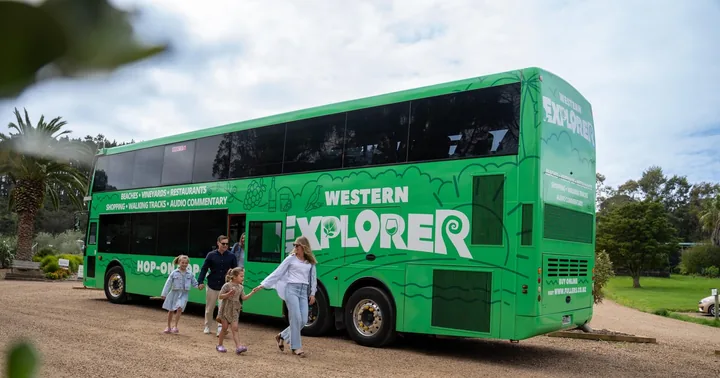 Most bookedReturn ferry included
Waiheke Island: Ferry & Hop-On Hop-Off Explorer Bus Tickets
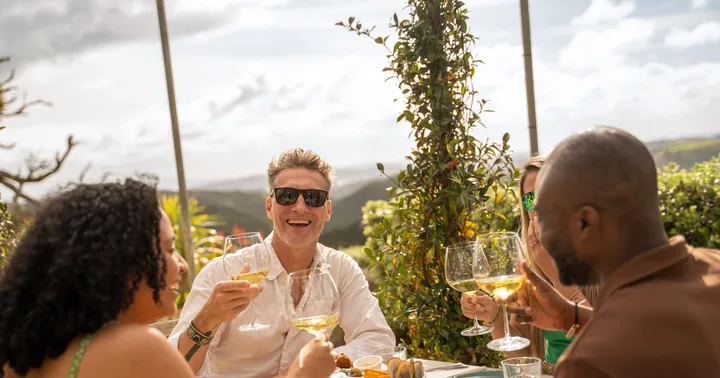 Food-ledReturn ferry included
From Auckland: Taste Of Waiheke Island Day Tour
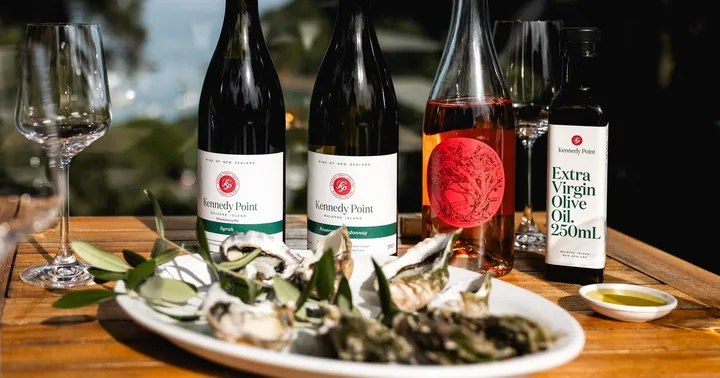 Top rated
Waiheke Island Gourmet Food and Wine Tour with Lunch
Three of the tours on this site do not include the crossing, which quietly adds NZ$46.50 to NZ$62 a head. Everything ranked cheapest first, or the parts of the island that cost nothing at all.
Every fare on this page was read on 12 August 2026. The operator revised its fares on 16 February 2026, so confirm the current one on Fullers360’s own site before you travel rather than taking my word for it.
Frequently asked questions
What is Waiheke Island known for?
Vineyards and cellar doors, beaches and bays, walking between headlands, and the food that goes with them — olive oil, oysters from Te Matuku Bay and long lunches. Oneroa is the main village and the closest settlement to Matiatia Wharf, where the ferry lands.
How many wineries are there on Waiheke Island?
I am not going to give you a number. Published sources disagree and the official tourism site does not state a total, so any figure here would be someone else's guess repeated with more confidence than it deserves. The tours are compared by what they include instead.
Which is the best winery on Waiheke?
There is no basis for a ranking that I would defend, so this site does not name one. What differs between wine days is concrete: how many vineyards, whether lunch is included, group size, and whether the ferry is in the price. Judge on those.
What can you do on Waiheke for free?
Beaches, walking tracks between bays and headlands, the villages and the views. The buses are not free and neither is the ferry, so a genuinely free day is one built on foot around where you land. The free list is here.
Can you do Waiheke in one day?
Yes, and most people do. A village, a bay and a cellar door is the comfortable ceiling once the crossing has taken about an hour and a half out of the day. The hour-by-hour version is here.